What carpet cleaning method should I hire?
Five ways to clean a carpet. Every manufacturer recommends one of them, and one of the others can ruin a carpet in a single visit. Compared on the chemistry.
Truck-mounted hot water extraction (commonly called steam cleaning) is the method carpet manufacturers publish, because it does all three steps: an alkaline releases the bond between soil and fibre, the soil is pulled out of the building, and an acid rinse returns the fibre to neutral. Encapsulation is useful for maintenance between restorative cleans. Bonnet cleaning is the one to specify against, because friction heat on dry fibre opens the fibre and it does not close.
The three steps every method is judged against
Cleaning a carpet properly is three steps, in this order. One: an alkaline goes down and breaks the bond between the soil and the fiber, releasing the oils and the grit stuck in them. Two: you physically pull it out of the house — high pressure, hot steam, huge vacuums. Three: an acid rinse goes down and neutralises everything.
Hold every method up against those three steps and the answer sorts itself out. This is chemistry, not opinion.
Why protector can't bond to a carpet that wasn't neutralised
This is the rule that decides everything, so it is worth stating once and plainly: carpet protector cannot bond to a fiber that has not been neutralised.
If there is dirt left, residue left, or high pH left behind from the cleaner, the protector will not stick. It sits on top of a film doing nothing, and your fiber is naked underneath.
No bond means no protection. No protection means no preventative maintenance — which means you paid somebody to make your carpet look nice for a month while it kept dying. That applies to every method below.
What is hot water extraction, and why does every manufacturer recommend it?
An alkaline pre-spray goes down and dwells. Hot water under high pressure drives into the pile. A truck-mounted vacuum pulls it all back out of the house. Then an acid rinse neutralises. All three steps, in order.
Three things only this method does. The water runs around 230 degrees — we make no claims about what that does, we simply state the temperature. That heat also recoils the fiber: nylon and polyester have memory, and real heat makes them stand back up, so the carpet does not just get clean, the pile comes back. And the vacuum is the only thing that actually removes what was loosened. Every other method moves soil around.
This is the only method every carpet manufacturer recommends. Not most — all of them. Read the warranty issued with your carpet.
What is low-moisture or encapsulation cleaning, and when is it right?
A polymer is sprayed on, it crystallises the soil, it dries, and the crystals are vacuumed out afterward — usually by you, the following day.
There is a right place for it, and we will say so plainly: commercial glue-down carpet, run a couple of times a month as maintenance, then flushed out properly once a year with real extraction. That is exactly what it was designed for.
In a house it is a different story. Step one happens partly, step two is handed to you, and step three does not exist — there is no rinse because there is no water, and that is the entire selling point. The carpet is never neutralised, so no protector will bond. And whatever crystals a household vacuum cannot reach are now hard particles sitting at the base of the pile, grinding against fiber.
Can low-moisture cleaning remove pet urine?
No, and it is not close. Urine passes through the carpet and the pad and pools on the subfloor, and reaching it requires enough liquid volume to get down to that depth and enough extraction to draw it back up.
Low moisture has neither by design. There is no volume to reach it and no extraction to bring it back.
What is bonnet cleaning, and can it damage carpet?
Yes — and this is the one that can ruin a carpet in a single visit. A heavy machine spins a cotton pad across the carpet surface.
If there is not enough liquid down, and often there is not because low moisture is the whole point, that spinning pad under the weight of the machine creates friction. Friction creates heat. Heat plus pressure on a dry fiber is a friction burn — and the fiber blooms instantly. It opens up and it never closes.
That is not wear over years. That is permanent damage while the machine is still in the room. Beyond that it is a surface wipe: a pad on top of the carpet cannot remove anything from the bottom of the carpet, and with no rinse there is no neutralising and no protector bond.
How does the carbonated method compare?
Carbonation does lift soil toward the surface, and that part is real. But lifting and removing are two different things — something still has to take the soil out of the house.
The pressure in those systems is far too low to drive into the pile and far too weak to pull it back out, so the soil is lifted and then largely left there. And with no neutralising rinse, no protector will bond afterward. Ask any carbonated company directly whether they perform an acid rinse.
Are rental carpet cleaning machines safe to use?
Start with the question nobody asks: who had that machine before you? There is no sanitisation step at the store, nobody inspects it, and nobody certifies it. It is returned and it goes back on the shelf.
Consider why people rent them. It is almost never routine cleaning — something happened. Somebody was sick, an animal had an accident, there was blood, something died. That is what was in the tank and the hoses before that machine came into your house and ran across the floor where your children lie down.
Why do rental machines cause mildew under carpet?
Because they put down warm water rather than hot steam, and heat is what dries. Steam evaporates; warm water soaks in.
So warm water goes into the carpet and into the pad, and a small portable vacuum cannot pull it back out — it never could. That leaves wet padding under the floor with no way to dry, which is how mildew and mold start somewhere you cannot see.
Why does carpet get dirty faster after using a rental machine?
Because every bottle on that shelf is high pH cleaner and there is no acid rinse for sale anywhere in that aisle. There never has been.
That is not an accident, it is the business model. High pH goes in, nothing neutralises it, the carpet re-soils within a month, and the machine gets rented again. And again.
Are all hot water extraction companies the same?
No — and hiring the right method does not help if you hire the wrong company. Four things go wrong regularly.
The price changes at the door. One number on the phone, a different number once they are standing in your living room. That is not a mistake, it is the product — the advertised price exists to get somebody inside. Every one of our prices is published on our site, so there is nothing to discover at your door.
They skip the acid rinse to save money. Same mechanism as the rental machine: leave it high pH, let it re-soil fast, and the customer calls every couple of months believing their family is dirty.
They skip the protector — or charge for protector applied to un-neutralised fiber, where it bonds to nothing.
They are putting down water. That is it. Water.
How do I know if a company is really treating pet odor?
You can tell without asking a single question about chemistry: if they walked in without a black light, they cannot see the urine. And enzymes only work on what they physically touch, so a company that cannot find the urine cannot treat it.
What follows is usually deodoriser — perfume on top of a problem, plus a sticky residue that collects soil.
Four questions to ask before you hire anybody
Do you perform an acid rinse? Hesitation is your answer.
Is your equipment truck-mounted or portable? Heat and vacuum are most of the job.
Is the price you just quoted me the price, and are your prices published?
What is your black light process? In a home with animals, no answer means they are cleaning blind.
You do not have to hire us. Ask any company those four questions and you will know within thirty seconds.
Straight answers
Hot water extraction, for residential carpet. It is the only method that completes all three steps of a real cleaning — releasing the soil with an alkaline, physically removing it with heat and high-powered vacuum, and neutralising the carpet with an acid rinse so protector can bond afterward. It is also the only method every carpet manufacturer recommends.
Because protector needs clean, neutralised fiber to adhere to. If dirt, residue or high-pH cleaner is left behind, the protector sits on top of that film rather than bonding to the fiber — so you paid for protection that is not attached to anything, and there is no preventative maintenance happening at all.
Yes, and it can happen in one visit. A heavy machine spinning a pad without enough liquid creates friction, friction creates heat, and heat plus pressure on dry fiber causes a friction burn. The fiber blooms open instantly and never closes — permanent damage while the machine is still in the room.
On commercial glue-down carpet, run a couple of times a month and flushed properly once a year with real extraction, yes — that is what it was designed for. In a home it leaves crystallised soil at the base of the pile that a household vacuum cannot reach, and it never neutralises the carpet, so no protector will bond.
No. Urine passes through the carpet and pad onto the subfloor, and reaching it requires enough liquid volume to get to that depth and enough extraction to draw it back up. Low moisture has neither by design.
No. There is no sanitisation step, no inspection and no certification — the machine is returned and goes back on the shelf. Consider that people usually rent them because something happened rather than for routine cleaning, and that whatever was in the tank and hoses came into your house next.
Because it puts down warm water rather than hot steam, and heat is what dries. The water soaks into the carpet and pad, and a small portable vacuum cannot recover it, leaving wet padding under the floor with no way to dry — which is how mildew and mold start where you cannot see them.
Residue. The alkaline used to release soil is high pH, and without an acid rinse it stays behind as a sticky layer that grabs oil, dirt and sand. Rental machines guarantee this because no acid rinse is sold in that aisle, and some companies skip the rinse deliberately for the same reason.
No. Common problems are a price that changes once they are inside your home, a skipped acid rinse to save cost, protector applied to un-neutralised fiber where it bonds to nothing, and jobs where nothing but water goes down. The method matters, and so does the company running it.
Four. Do you perform an acid rinse. Is your equipment truck-mounted or portable. Is the quoted price the price, and are your prices published. What is your black light process. The answers reveal within thirty seconds whether a company understands its own trade.
The full transcript
Every word spoken in the video, in writing. No email, no signup.
There are five ways to clean a carpet.
Every carpet manufacturer on earth recommends one of them.
One of the other four can destroy your carpet in a single visit.
And one of them might be bringing somebody else's blood into your living room.
Thirteen years on a truck. Let's go through all five.
First — what cleaning a carpet actually is. Three steps.
One. An alkaline goes down and breaks the bond between the soil and the fiber. That releases the oils and the grit stuck in them.
Two. You physically pull it out of the house. High pressure. Hot steam. Huge vacuums.
Three. An acid rinse goes down and neutralizes everything.
Three steps. Hold every method up against them.
And here's the rule that decides everything. Listen to this once.
Carpet protector cannot bond to a fiber that has not been neutralized.
If there's dirt left. If there's residue left. If there's high pH left behind from the cleaner. The protector will not stick. It sits on top of a film doing nothing, and your fiber is naked underneath.
No bond means no protection. No protection means no preventative maintenance. Which means you paid somebody to make your carpet look nice for a month while it kept dying.
Remember that. It applies to every method coming up.
Hot water extraction.
Alkaline goes down and dwells. Hot water under high pressure drives into the pile. A truck-mounted vacuum pulls it all back out of the house. Then the acid rinse neutralizes.
All three steps. In order.
Three things only this method does.
The water runs around two hundred and thirty degrees. I'm not going to make claims about what that does. I'll tell you the temperature and let you think about what survives it.
Second, that heat recoils the fiber. Nylon and polyester have memory. Real heat makes them stand back up and come back stronger. The carpet doesn't just get clean, it gets its life back.
Third, the vacuum. High-powered extraction is the only thing that actually removes what you loosened. Everything else just moves it around.
This is the only method every carpet manufacturer recommends. Not most. All of them. Read your own warranty.
Low moisture. Encapsulation.
A polymer sprays on, crystallizes the soil, dries, and then you vacuum out the crystals tomorrow.
And there's a right place for this. Commercial glue-down carpet, done a couple times a month as maintenance, then flushed out properly once a year with real extraction. That's what it was built for.
In your house, different story.
Step one, partly. Step two, handed to you. Step three, doesn't exist — there's no rinse because there's no water. That's the selling point.
So the carpet is never neutralized. Which means the protector can't bond. And whatever crystals your vacuum can't reach are hard particles sitting at the base of your pile, grinding.
And the question nobody asks them: how is low moisture going to flush urine out of your pad?
It isn't. There's no volume to reach it and no extraction to bring it back.
Bonnet cleaning. This one can ruin your carpet today.
A heavy machine spins a cotton pad across your carpet.
If there isn't enough liquid down — and often there isn't, because low moisture is the whole point — that spinning pad under the weight of that machine creates friction. Friction creates heat. Heat plus pressure on a dry fiber is a friction burn.
The fiber blooms. Instantly. It opens up and it never closes.
That's not wear over years. That's permanent damage while the machine is still in the room. It's the one thing in this entire video that can happen in one visit.
Beyond that, it's a surface wipe. A pad on top of the carpet cannot remove anything from the bottom of the carpet. No rinse, no neutralizing, no protector bond.
The carbonated method.
Carbonation does lift soil. That part's real.
But lifting isn't removing. Something still has to take it out of the house, and the pressure in those systems is far too low to drive into the pile and far too weak to pull it back out. So the soil gets lifted toward the surface and mostly left there.
And again — no neutralizing, no protector bond. Ask them directly: do you do an acid rinse.
The machine you rent from the store. This is the one.
Start with the part nobody thinks about.
Who had that machine before you?
Nobody knows. There's no sanitization step at the store. Nobody inspects it. Nobody certifies it. It gets returned and it goes back on the shelf.
And understand why people rent those machines. It is almost never routine cleaning. Something happened. Somebody got sick. An animal had an accident. There was blood. Something died. That's when people go rent a machine.
That's what was in the tank and the hoses before it came into your house. And then you ran it over the floor where your kids lie down.
Now the mechanical problem.
That machine puts down warm water. Not hot steam. And that matters, because heat is what dries. Hot steam evaporates. Warm water just soaks in.
So you've put warm water into your carpet and into your pad, and that little vacuum cannot pull it back out. It never could. Now you've got wet padding under your floor with no way to dry it.
That's mildew. That's mold. Under your carpet, where you can't see it.
And walk that aisle. Every bottle on that shelf is high pH cleaner. There is no acid rinse for sale. There never has been.
And that's not an accident. That's the business model. Highest pH they can put in a bottle, no way to neutralize it, so your carpet re-soils within a month and you go rent the machine again. And again. It's a check-cashing store for your Saturdays.
Okay — now the part that matters most.
Not all hot water extraction companies are the same either. Hiring the right method doesn't help if you hire the wrong company.
Here's what they do.
They quote you one price on the phone, show up, and the number changes. That's not a mistake, that's the product — the advertised price exists to get somebody into your living room. That's why every one of our prices is published on our website. There is nothing to discover at your door.
They skip the acid rinse to save money. Same trick as the rental machine — leave it high pH, let it re-soil fast, and you're calling somebody every two months thinking your family is dirty.
They skip the protector, or charge you for protector that goes onto un-neutralized fiber and never bonds to anything.
A lot of them are putting down water. That's it. Water.
And you can tell whether they're using enzymes on pet odor without asking a single question — because if they walked in without a black light, they can't see the urine. They can't treat what they can't find. So they cover it with deodorizer and leave you with perfume on top of a problem, plus a sticky residue collecting sand.
So what should you hire?
The method that does all three steps. Releases it. Removes it. Neutralizes it. The method with enough heat to recoil your fiber and enough vacuum to take the soil out of your house. The one every manufacturer recommends.
Hot water extraction. And it's not close.
But hire the company as carefully as you pick the method.
Four questions. Ask anybody.
Do you do an acid rinse? If they hesitate, you're done.
Truck-mounted or portable? Heat and vacuum are the whole job.
Is the price you just quoted me the price? Are your prices published?
What's your black light process? If you have animals and they have no answer, they're cleaning blind.
You don't have to hire me. Ask any company those four questions and you'll know in thirty seconds.
Spiker Carpet and Tile Care. Thirteen years, owner operated. Truck-mounted hot water extraction, every price published on our site, and yes — we do the rinse.
Related
The Spiker Method, step by step — the method every other one here is compared against.
Get a quote — the price is confirmed before anything starts.
Want an honest answer about your floor?
One call. Cleanest floors you've had.
GALT (916) 919-7642 · LODI (209) 663-0823 · MON–SAT · 9AM–5PM
WE DO NOT MOVE FURNITURE · PRE-VACUUM REQUIRED
The rest of the series
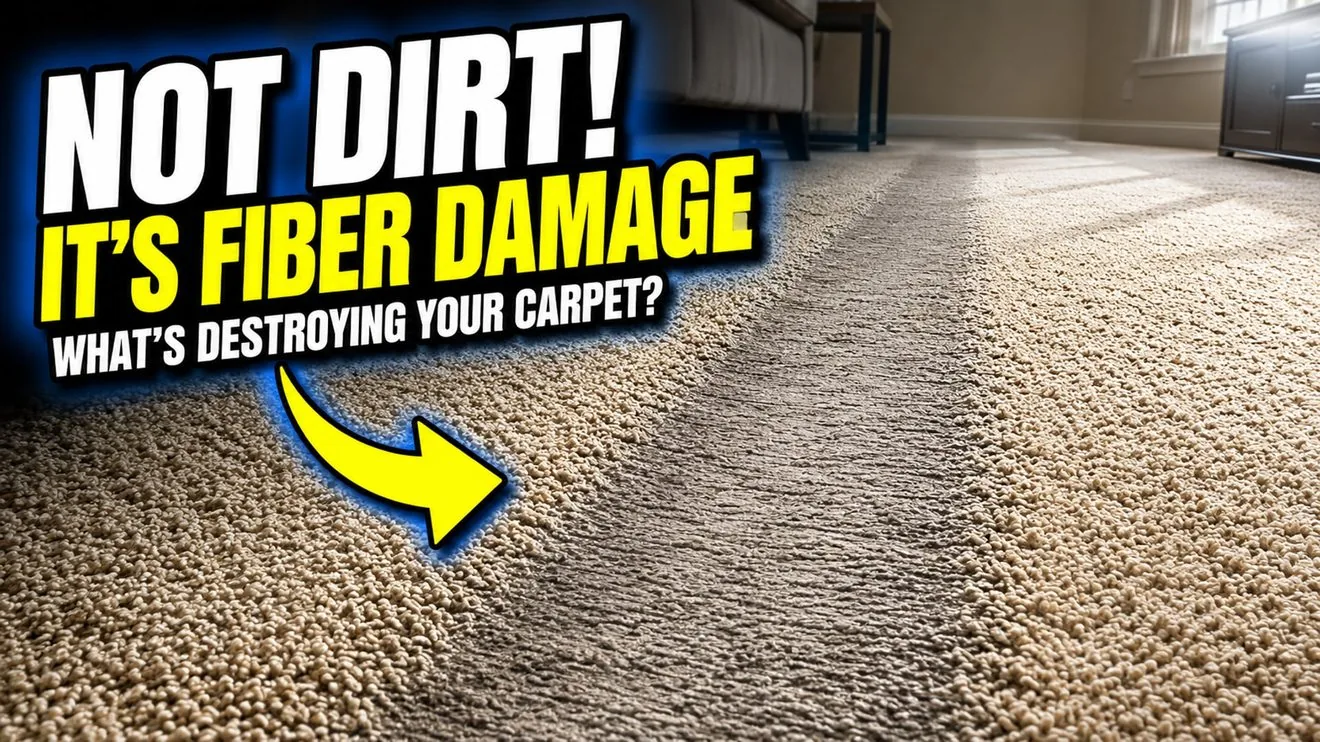 What's Actually Destroying Your CarpetWhy your carpet is wearing out — and why it isn't stains, foot traffic or age.
 Should I Rent A Carpet Cleaning Machine?What a rental machine leaves in the carpet — and why it looks dirty again a month later.
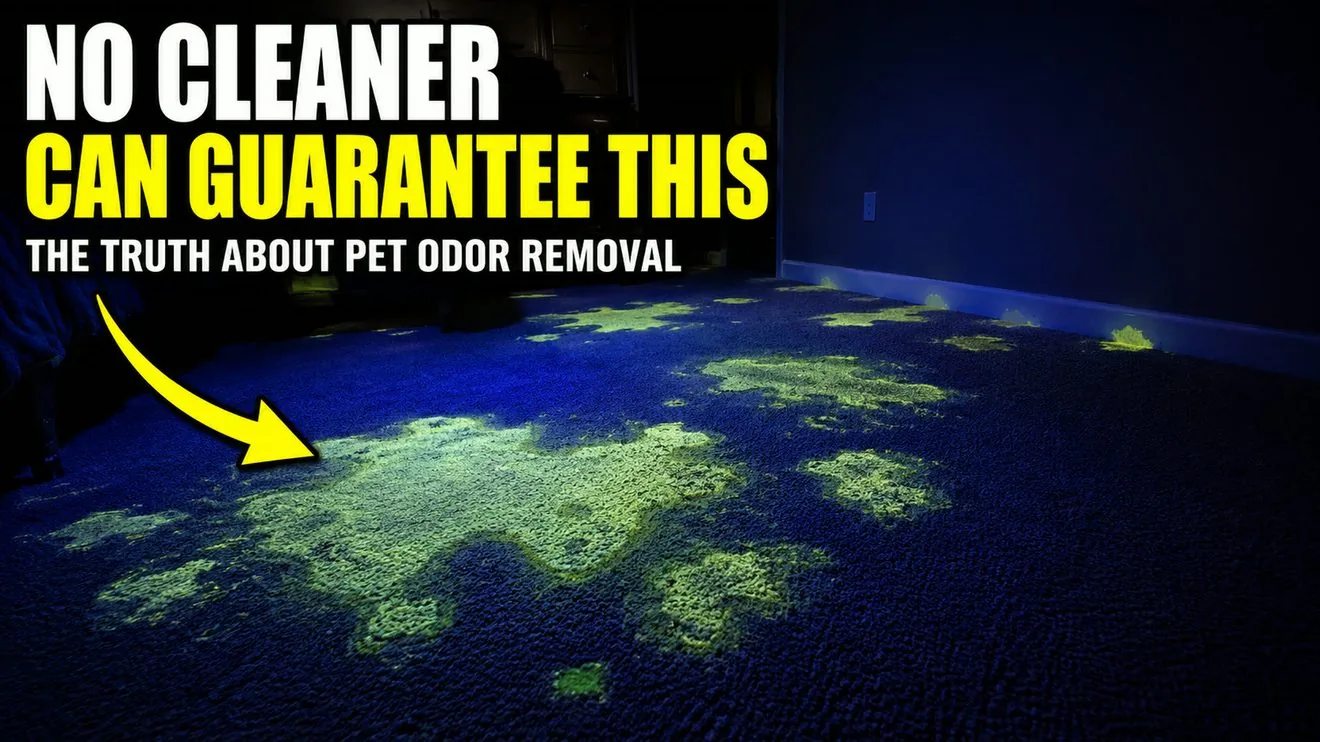 Why No Carpet Cleaner Can Guarantee Odor RemovalWhere pet urine actually goes, and why odor work is an attempt rather than a certainty.
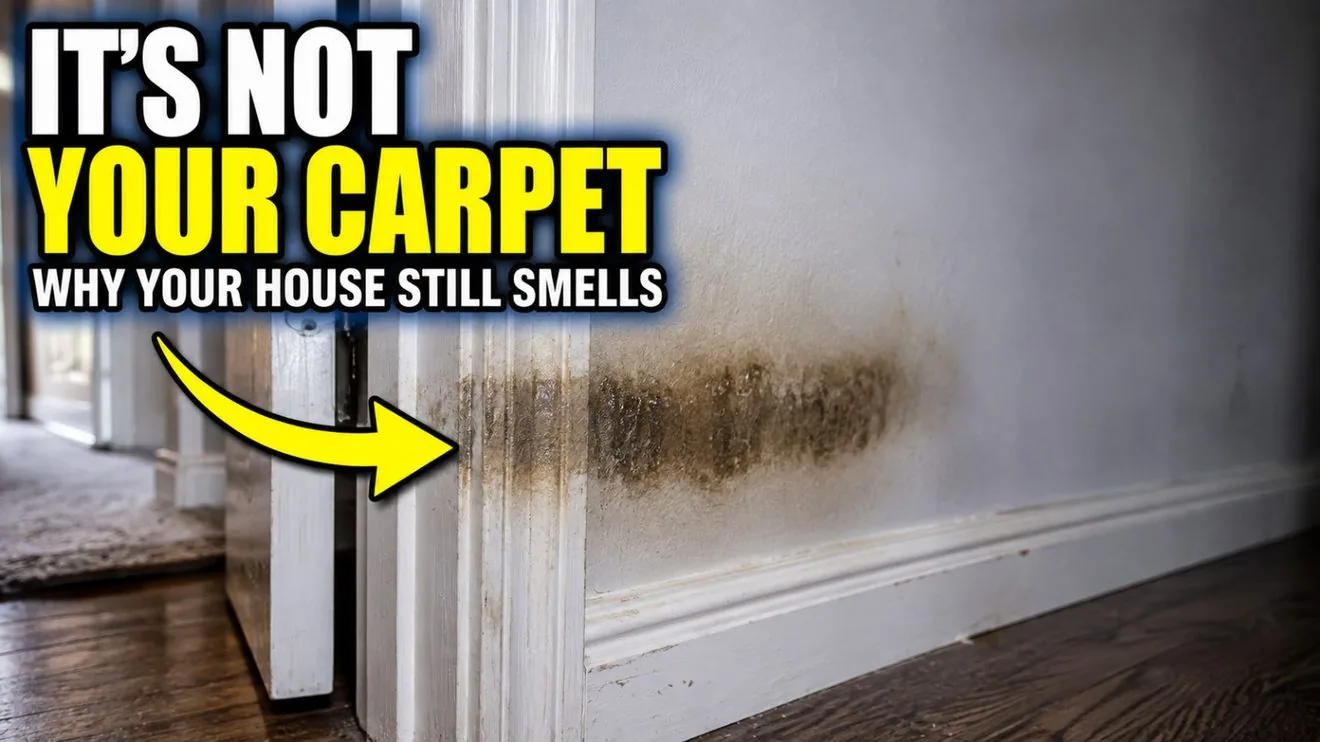 Your House Stinks And You Can't Smell ItWhy your nose switched the smell off, and where it is really coming from.